Designing an Olympic-Scale Summer Event
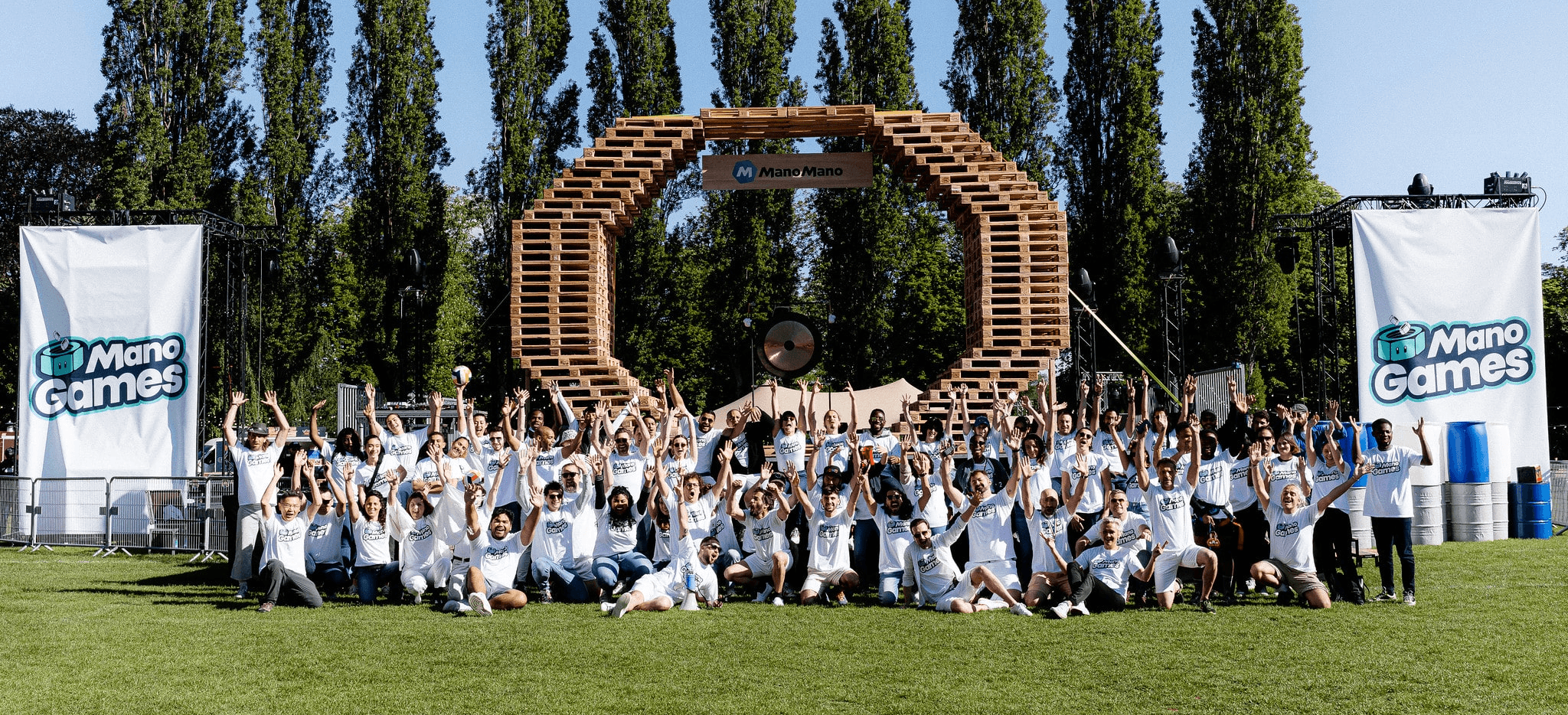
A large-scale experiential design project where I developed the 3D design plans and the UI/visual design system for a summer event built around an Olympic-inspired concept.
Services:
3D Spatial Design, UI Design, Event Experience Design
Industry:
Experiential / Event Design
Timeline
5 Weeks
My Role
I was responsible for the 3D design planning and the UI design of the project. My work focused on translating the event concept into a spatially coherent and visually readable experience, from layout thinking and scenic planning to interface elements that supported orientation, participation, and brand presence.
The Challenge
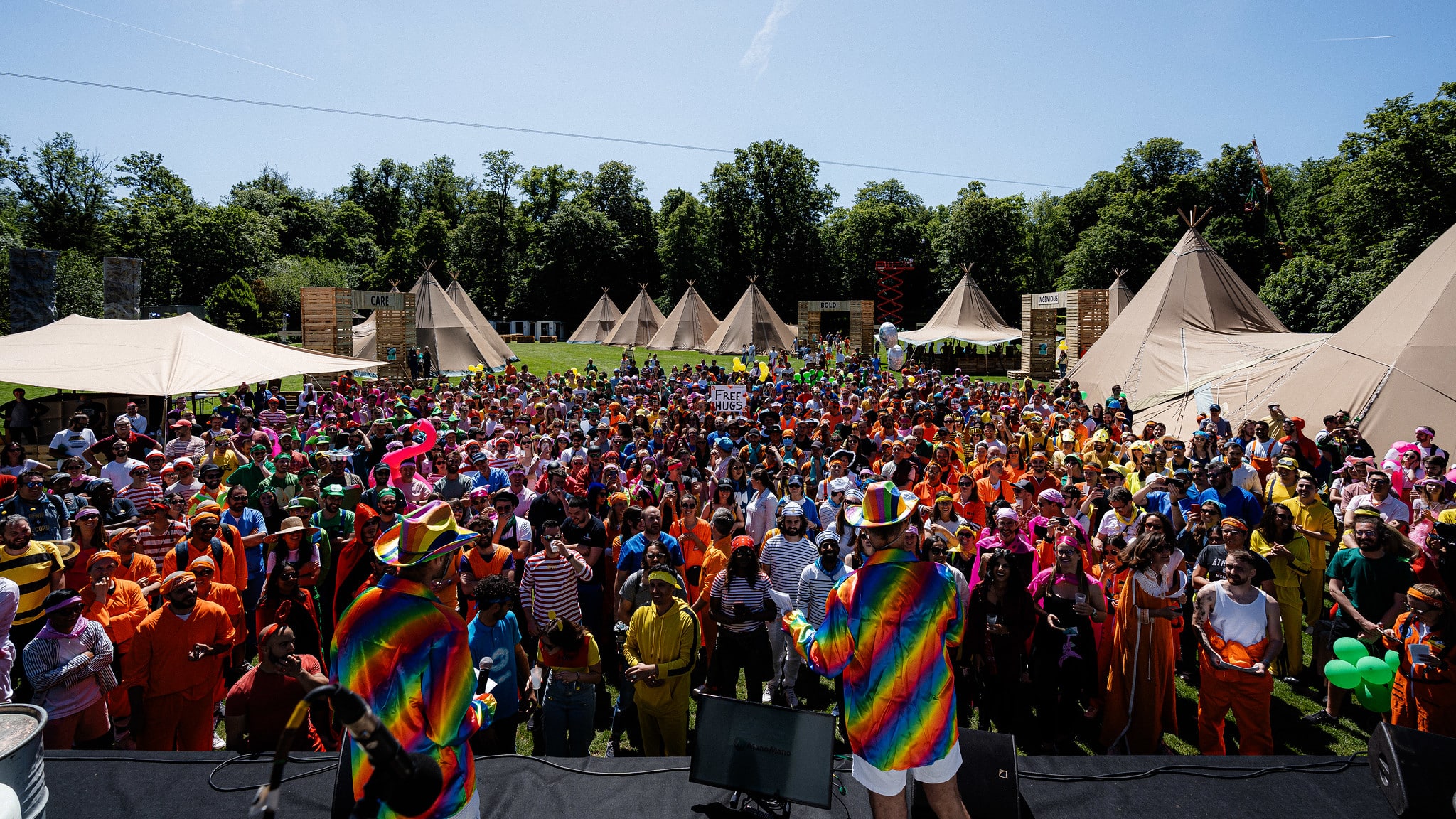
The challenge was to design a large-scale summer event experience that could feel immersive, playful, and easy to navigate at the same time. The event was built around an Olympic-style concept and included multiple zones, custom activity stands, signage, scenic elements, food areas, and a main stage, all designed for a high-volume audience.
Turn a broad creative concept into a clear physical experience
Organize multiple event functions into a readable spatial system
Support movement, visibility, and engagement across the site
Create a strong visual identity across scenic and interface elements
Balance spectacle with usability for a large audience
The Process
My process started with understanding how the event should work in space before refining how it should look visually. I approached the project through 3D planning, experience structure, and UI/visual consistency, making sure each area contributed to a unified journey.
1. Spatial Planning
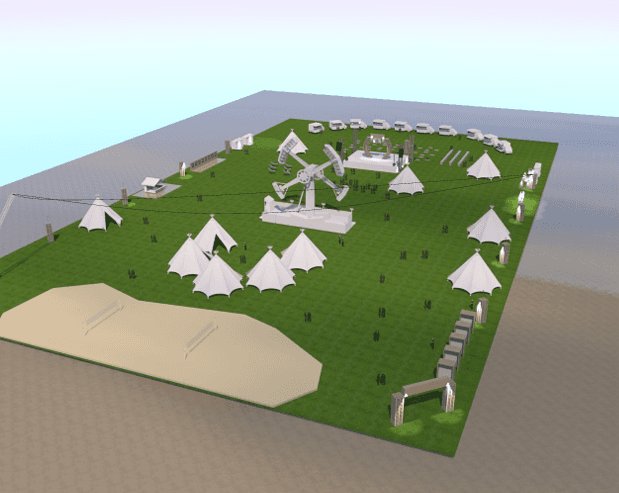
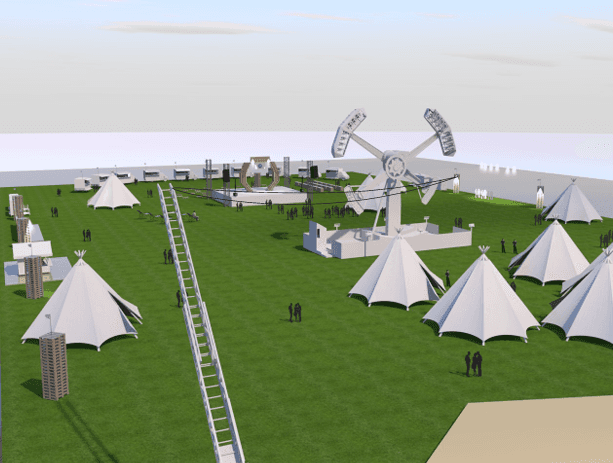
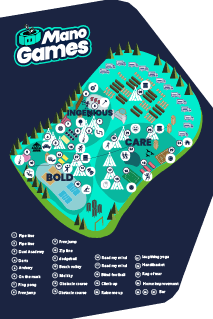
I worked on the 3D design plans to define the event layout, key zones, circulation logic, and visual landmarks. The goal was to make a complex event environment feel intuitive and cohesive.
2. Zone Hierarchy
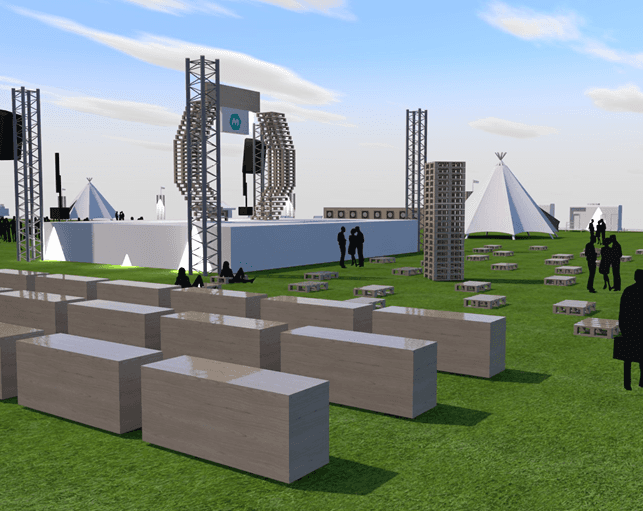
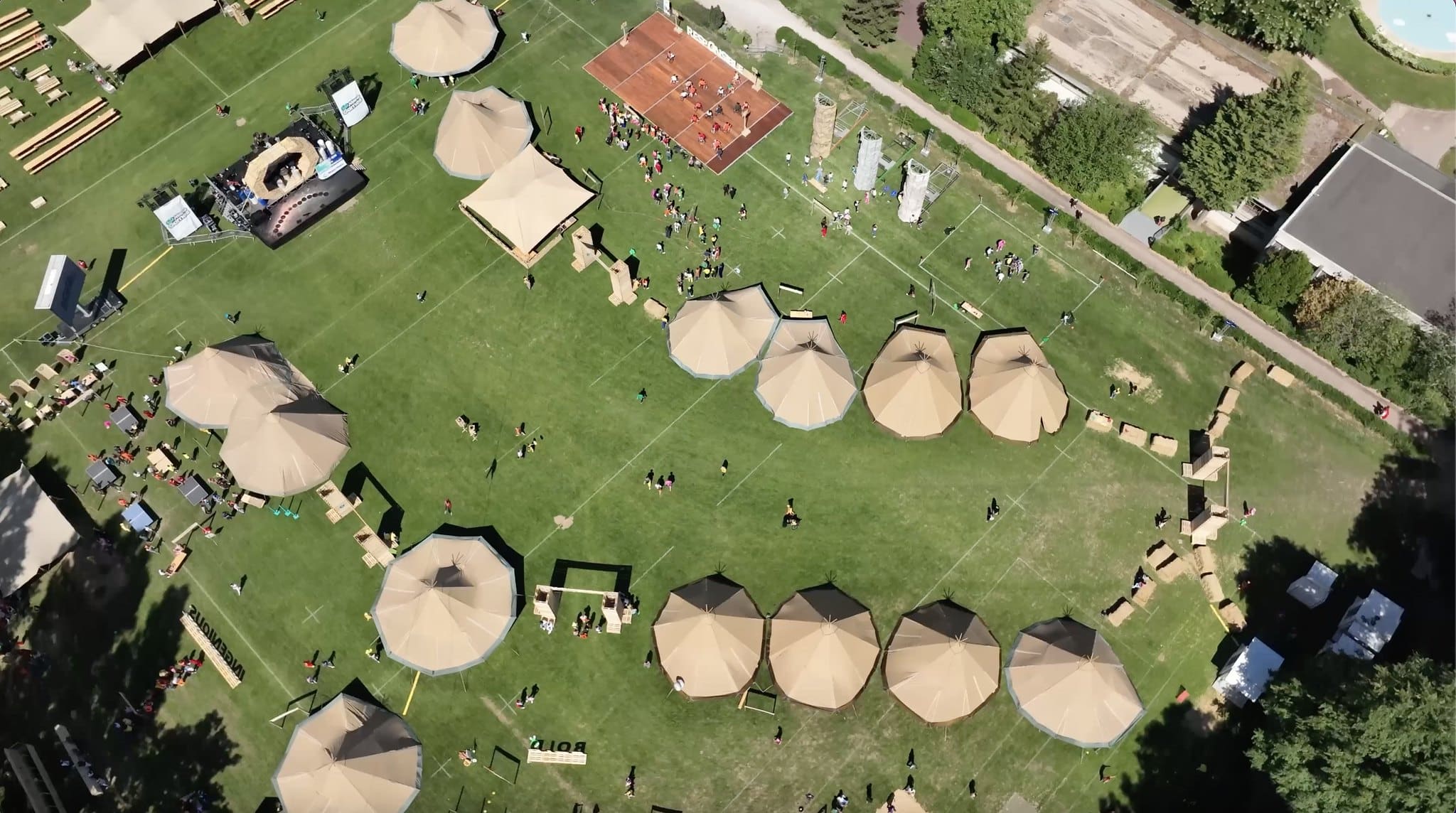
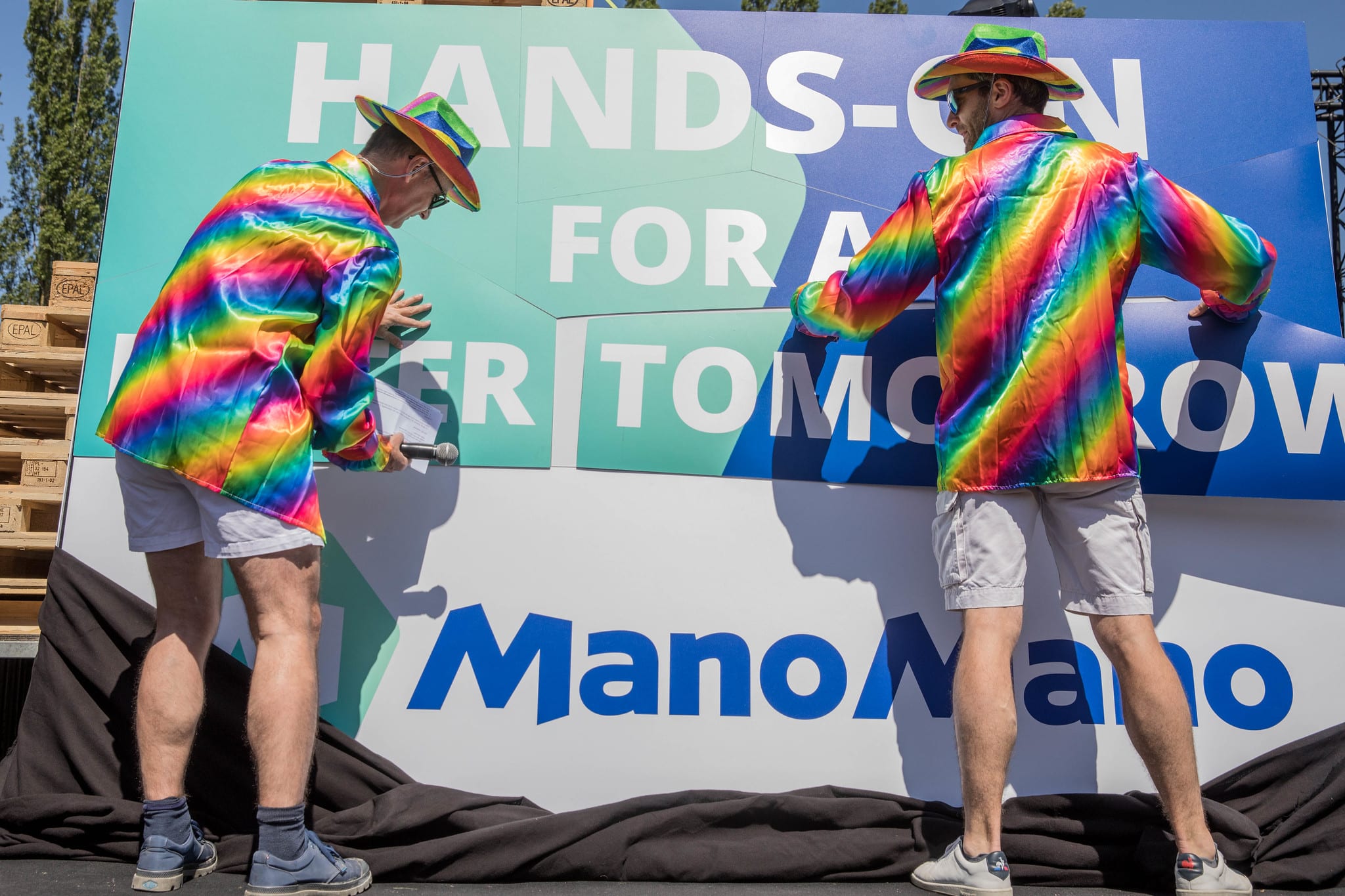
Because the event included many components — such as activity stands, scenic installations, performance spaces, food areas, and sports attractions — I focused on creating a hierarchy that helped people quickly understand where they were and where to go next. The published event description lists installations including 15 tipis, a giant stage, 8 food trucks, 20 custom-made animation stands, custom signage, a 500-meter zip line, climbing walls, and large pallet-based scenic elements.
3. UI / Visual Design
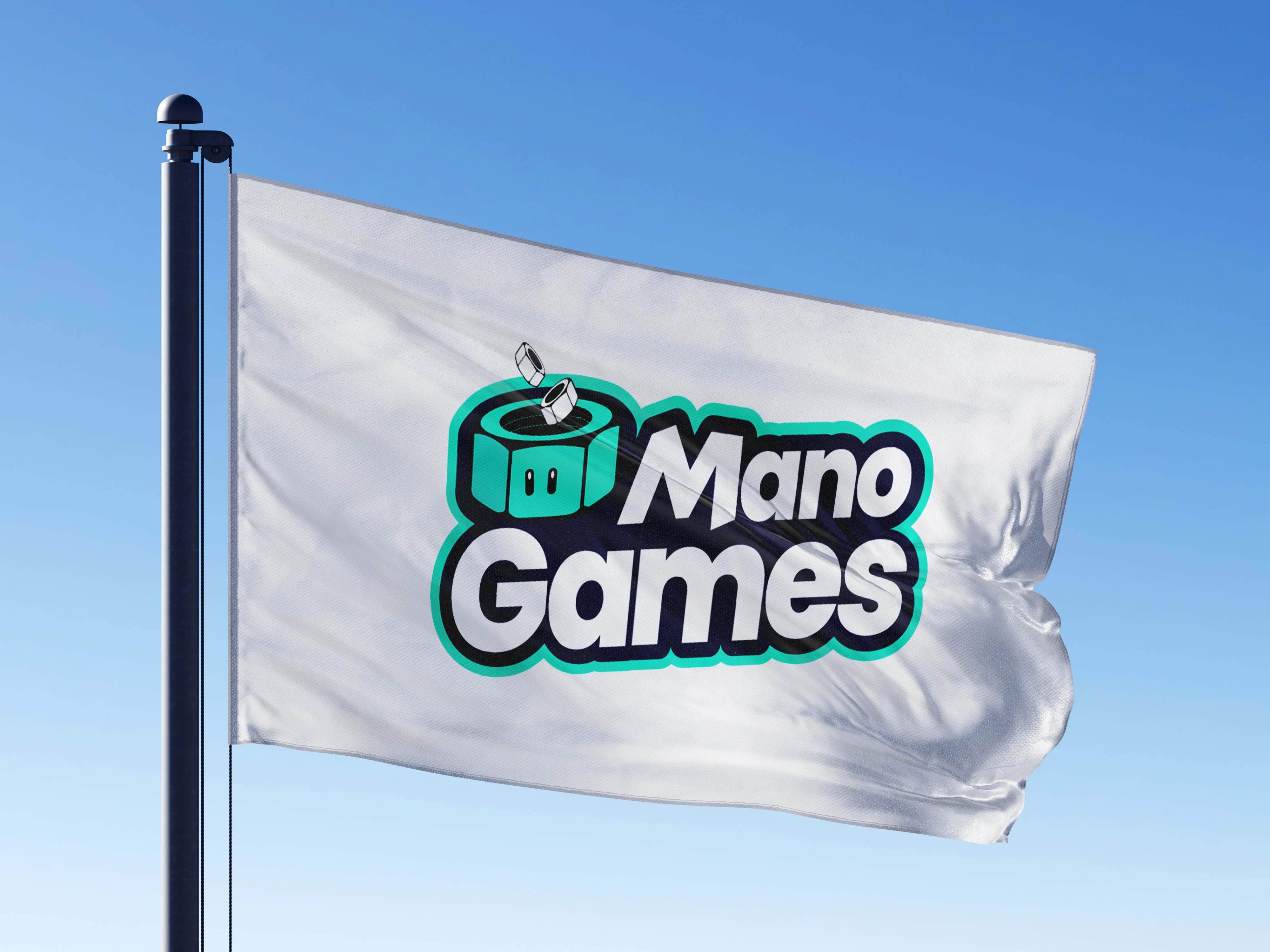
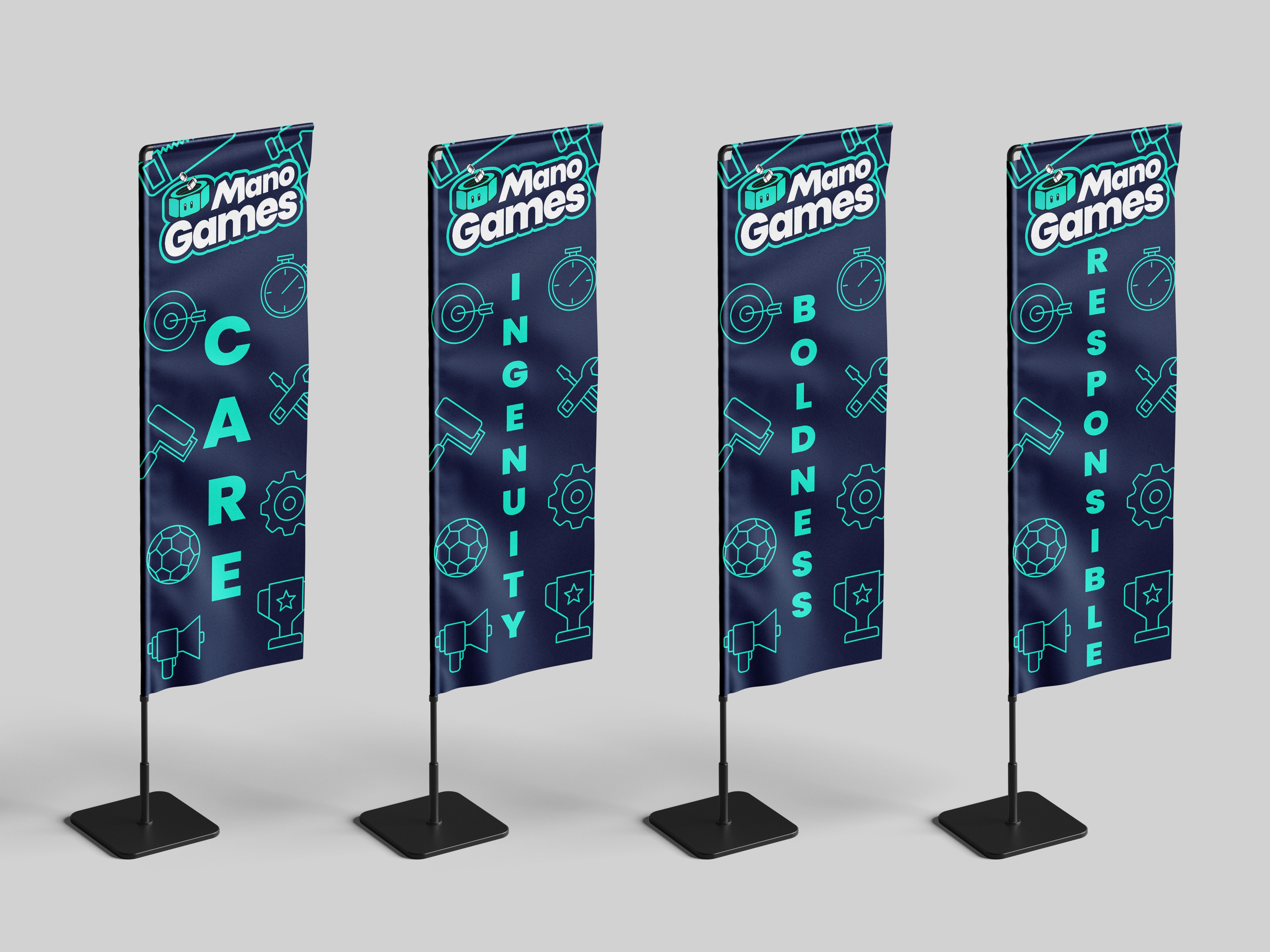
I designed the visual and interface layer that supported the event experience, helping connect concept, structure, and usability through a consistent design language.
4. Immersion Through System Thinking
Rather than treating each element separately, I approached the project as a full experience system where spatial design, visual communication, and interaction cues all worked together.
The Result
The result was a large-scale event experience designed to handle complexity without losing clarity. The project demonstrates my ability to work across space, interface, and experience, and to turn a creative concept into a tangible environment that feels organized, engaging, and visually coherent.
A clearer and more navigable event environment
Stronger alignment between concept and physical execution
A unified experience across 3D planning and UI design
Better readability across multiple zones and touchpoints